Art and Science in Ibérico Ham Tasting
Ibérico ham tasting is a complex, multifaceted process crucial for evaluating its excellence, as evidenced in top-tier awards such as those granted by the Ministry of Agriculture. This meticulous examination spans several stages, combining sensory perception with specific technical criteria to determine the overall quality of the product.
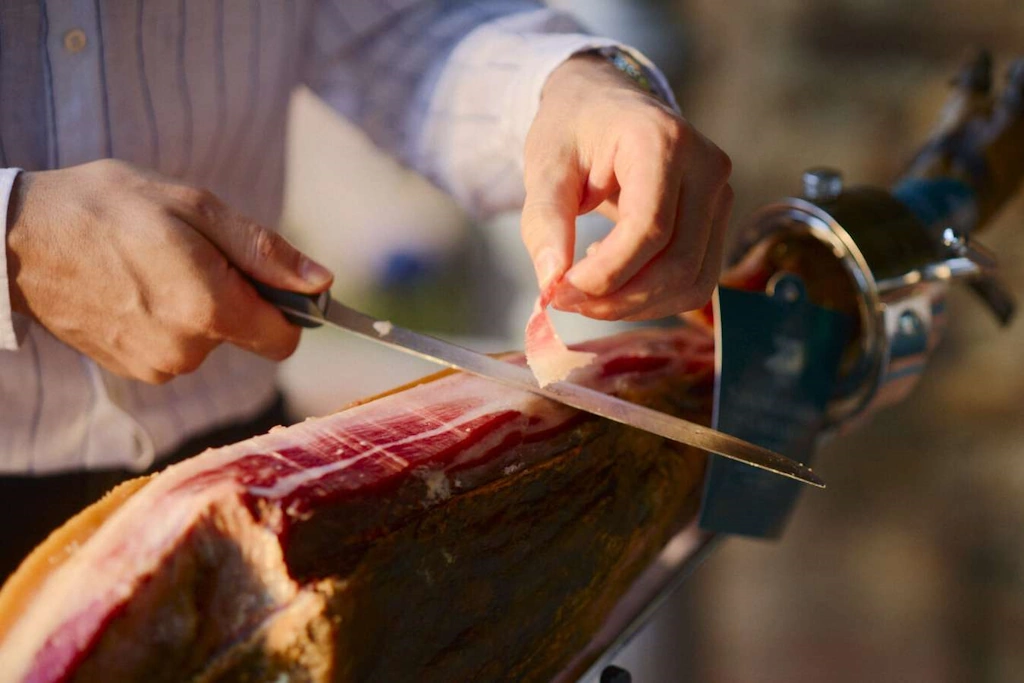
The first phase of Ibérico ham tasting focuses on visual appearance. Here, experts evaluate characteristics such as exterior color, fat proportion and distribution, and the lean meat within the cut. These parameters are quantified using coefficients ranging from 1 to 10, providing an initial assessment of presentation and marbling—key indicators of proper fat infiltration and, consequently, potential juiciness.
? An Ibérico delight directly from the source!
Buy Acorn-Fed 100% Ibérico Ham from Spain
Bring the unmistakable character of the Huelva mountain range to your table: luscious slices, glossy fat marbling, and a unique, lingering finish.
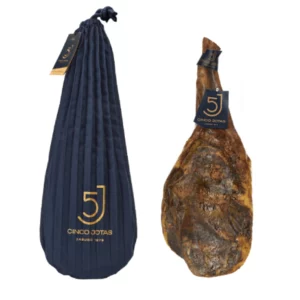
Get CINCO JOTAS Acorn-fed 100% Ibérico Shoulder Ham at a Special Price!
Next comes the olfactory-gustatory phase, considered the most essential stage in Ibérico ham tasting. Here, analysts evaluate the aromas released from the slice, seeking notes characteristic of acorn-fed ham, such as hints of acorn, toasted nuts, vegetal undertones, leather, and well-integrated fat. A pleasant and balanced aroma signals optimal curing. A “woody” scent is especially prized, as it suggests a long curing process in traditional drying cellars. Regarding taste, experts look for a harmonious balance of saltiness (imparted by salt during aging) and a subtle sweetness, which may reveal hints of caramel or vanilla resulting from the infiltrated fat that provides softness and unctuousness.
Finally, Ibérico ham tasting concludes with the evaluation of texture. The goal is a firm yet juicy texture with excellent persistence on the palate, creating a delightful and long-lasting sensory experience. The sum of all these assessments (spanning roughly 10 to 12 distinct parameters) determines the final score that crowns a ham as the finest in its category.
This holistic approach to Ibérico ham tasting ensures recognition for products that truly represent the pinnacle of quality in this iconic Spanish delicacy.
How to Identify a Quality Ham?
Below is a technical summary outlining criteria for selecting high-quality Ibérico ham, based on the expertise of Víctor Sanchego, founder of Mundibérico.
Technical Analysis of Ibérico Ham Quality
Identifying a premium Ibérico ham goes beyond simple tasting; it relies on analyzing physical parameters that reveal both its curing process and the animal’s rearing style. According to expert Víctor Sanchego, three primary indicators stand out when evaluating product excellence.
The first indicator is the presence of tyrosine crystals. Tyrosine, a hydrophilic amino acid, crystallizes during long, slow curing processes, serving as a biomarker of aging that has not been artificially accelerated. Its appearance on the surface of muscular tissue indicates natural, progressive proteolysis, resulting in a more complex and desirable texture and flavor. Its absence may suggest curing in controlled chambers that alter the process kinetics.
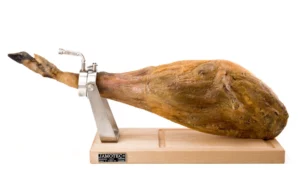
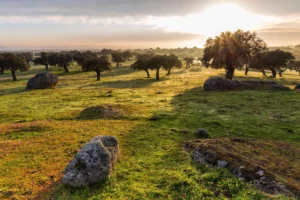
A second evaluation criterion is the morphology of the hoof and outer casing. Sanchego maintains that a slender, narrow hoof is a defining trait of purebred Ibérico swine. Additionally, the degree of hoof wear serves as a direct indicator of the pig’s physical activity. A visibly worn hoof suggests the animal roamed significant distances, pointing to extensive range or dehesa rearing where the pig fed on acorns and natural forage. This lifestyle not only improves animal welfare but also positively influences fat quality and intramuscular infiltration.
Finally, the composition and texture of the subcutaneous fat serve as a critical parameter. High-quality ham fat should be transparent and shiny. Sanchego’s test—gently pressing the fat with a finger—evaluates its melting point: if the fat yields easily, it indicates a high content of oleic acid, characteristic of an acorn-based diet. This monounsaturated fatty acid profile enhances fat fluidity at room temperature while delivering a more delicate flavor and a luscious mouthfeel.
Slicing and Tasting Ibérico Ham
The Government of Spain, through the Council of Ministers and proposed by the Ministry of Education, has given the green light to a series of new qualifications within the Vocational Training (FP) system. The star of this update is a specialization certificate focused on ham slicing and tasting, a measure aimed at providing academic rigor and professional standing to an iconic craft in Spanish gastronomy.
This initiative is part of a broader push, as the Executive approved a total of four new professional certificates covering diverse sectors including hospitality, technical maintenance, education, and graphic arts. Below are the key highlights of this new educational offering.

Get Hand-Carved Ibérico Ham and Whole Legs
Tasting of Iberian Ham: Mastery in Slicing
The new Intermediate Vocational Specialization Course is officially titled “Mastery in Slicing and Tasting of Cured Ham and Shoulder Ham.” Spanning a total of 300 hours, this training was created to professionalize an essential craft in high-end restaurants, formal events, and specialized gourmet shops.
Until now, many industry professionals acquired their skills independently or through non-accredited private courses. With this new credential, learning is formalized under an official, nationally recognized qualification. The curriculum is designed to be hands-on, focusing on three core pillars: precise slicing of cured legs, aesthetic plating for presentation to clients, and technical participation in tasting services.