
The History of BEHER: Nearly a Century of Tradition Crafting Ibérico Ham in Guijuelo
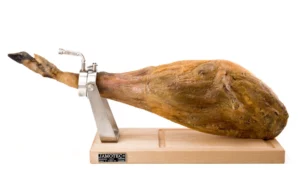
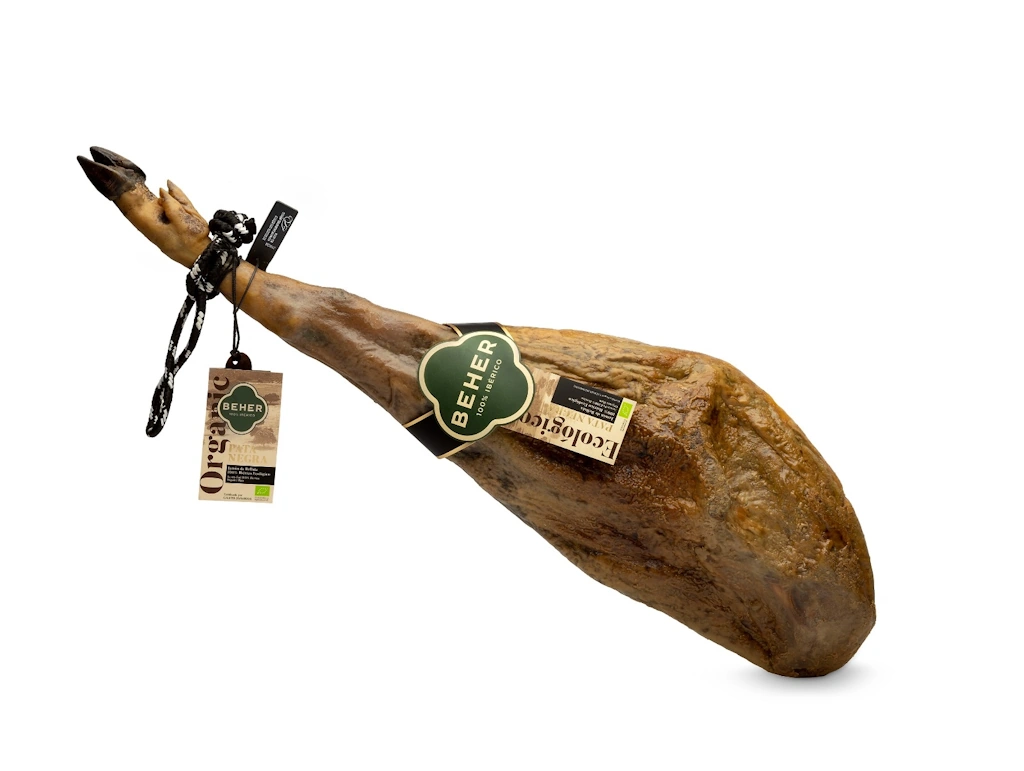
Beher Ibérico ham has established itself as the undisputed ambassador of Spanish gastronomy—a culinary gem valued internationally that stands out for its deep-rooted tradition, exceptional quality, and a meticulous crafting process that merges respect for nature with artisanal mastery.
To understand the true value of this product, it is essential to analyze current labeling regulations, which guarantee authenticity for consumers through a color-coded system that classifies products according to the pig’s breed purity and the type of diet received.
? Save by buying directly from the Dehesa pasturelands!
Buy Acorn-Fed Ibérico Ham from Salamanca
Get the highest quality at the best source price: a Premium Ham with an unmistakable aroma, the result of slow, artisanal curing.
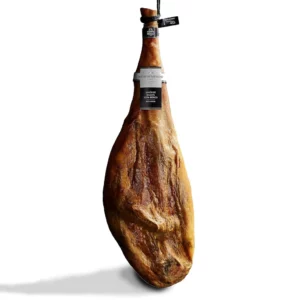
Monte Nevado Iberico Ham Bellota – Acorn Fed – Min Weight 16.5 lbs, with a Direct Discount!
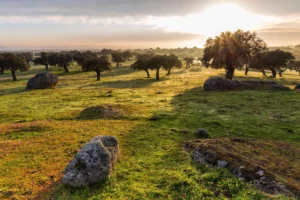
At the pinnacle of excellence sits the 100% Ibérico ham, identified by the prestigious black label—a seal certifying that the animal belongs to a fully pure lineage and has roamed freely in the *dehesa* during the *montanera* season, feeding exclusively on acorns and natural pastures.
On the other hand, the red label distinguishes pieces that, while maintaining an acorn-based diet in the countryside, come from pigs crossbred with other breeds (typically Duroc), displaying purity levels of 75% or 50% Ibérico.
The defining factor of authentic Beher ham lies precisely in this unique ecosystem, where the animals roam vast stretches of land, exercising their muscles and allowing healthy fats rich in oleic acid to optimally infiltrate the muscle fibers. This biological uniqueness confers a remarkably juicy texture, an intense aroma, and a complex, lingering flavor on the palate—characteristics that clearly differentiate the robust character of pieces from iconic regions like Jabugo from milder options resulting from crossbreeding.
Beyond the countryside, the success of this sector relies on an extended and rigorous curing period in natural cellars—a centuries-old art where precise control over time, temperature, and humidity shapes the organoleptic properties of each ham over several years before it reaches the market.
In major Spanish cities like Salamanca, ham culture is embraced with passion through specialized shops and modern gastronomic spaces that promote the art of hand-carving and pairing with fine wines, transforming everyday consumption into a sophisticated sensory experience. Thus, when savoring a thin slice of Beher ham, the diner is not merely enjoying a premium food item, but connecting directly with a country’s cultural heritage, animal welfare in sustainable environments, and an agri-food network that has turned an iconic product into a true symbol of identity and accessible luxury.
In conclusion, discussing ham today means recognizing the perfect balance between strict consumer-protection laws, sustainable natural resource management, and the passion of master ham makers who keep a legendary legacy alive and cherished worldwide.